Roman coins and Iron Age finds unearthed as East West Rail archaeology hits milestone.
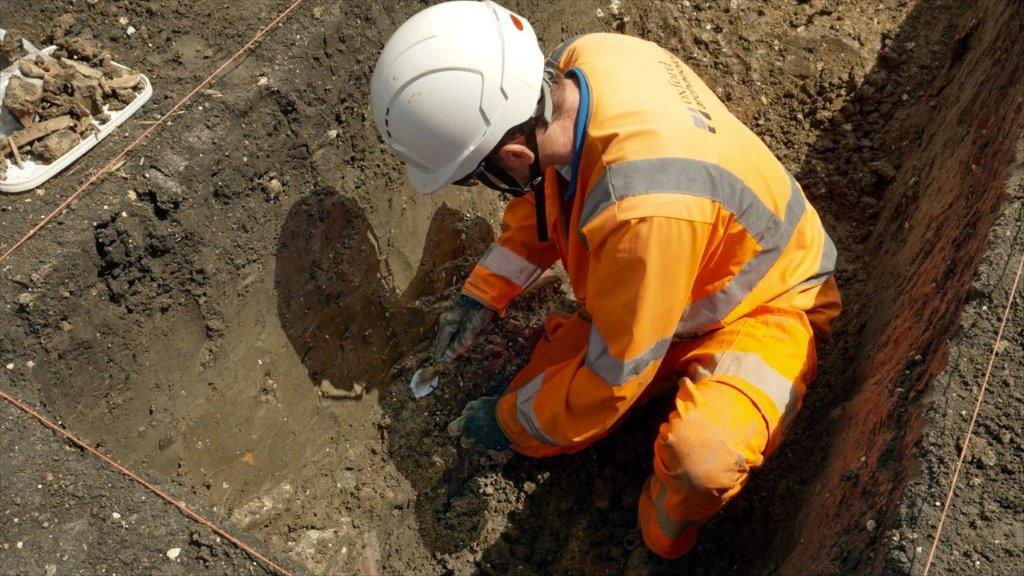
* Archaeologists investigating the route of East West Rail, the new line set to connect Oxford with Bedford and Cambridge, have completed work on 1,000 trial trenches
* Around 6,000 trial trenches will be dug in total over a two year programme
* Finds so far include Roman coins and a Late Iron Age vase

Oxford’s rail links to the east of England are edging closer, and along the way archaeologists are turning up traces of the region’s distant past. Work on 1,000 trial trenches has now been completed as part of the archaeological investigations supporting East West Rail, the project that will eventually link Oxford with Bedford and Cambridge.
The trenching, currently taking place in Bedfordshire and Cambridgeshire, is designed to build a detailed picture of what lies beneath the ground and to help protect archaeological heritage wherever possible as the wider route takes shape.
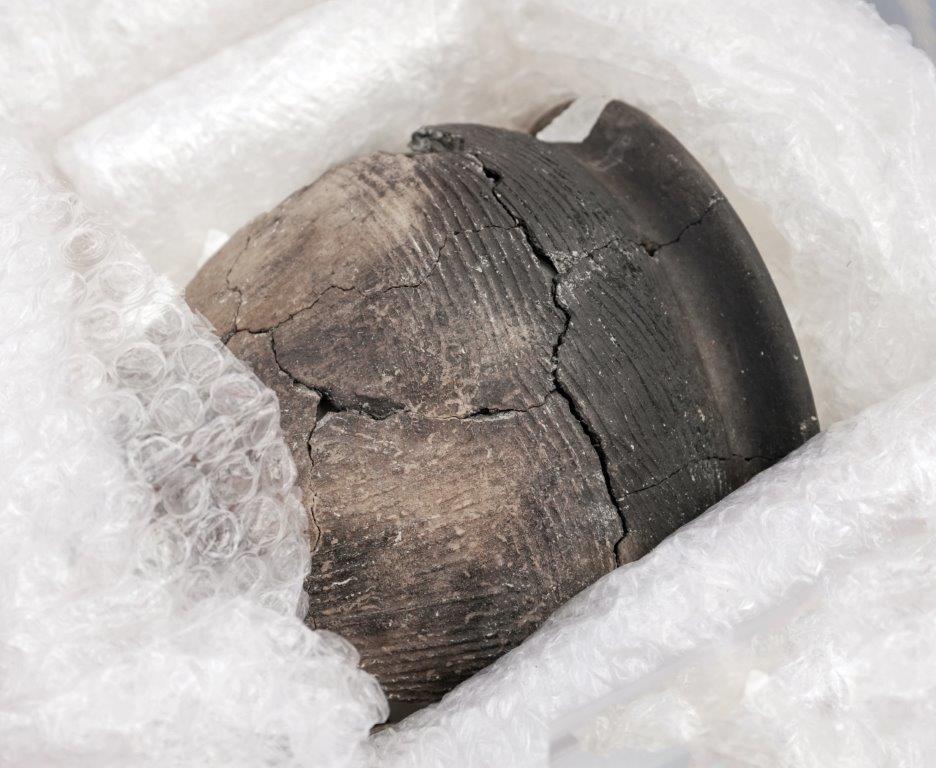
Among the discoveries so far are Roman coins, including one around 1,740 years old bearing the name of Emperor Carausius, who commanded a Roman fleet based in the English Channel between AD 250 and 293. A Late Iron Age vase and fragments of pottery have also been recovered.
A milestone in a two year programme
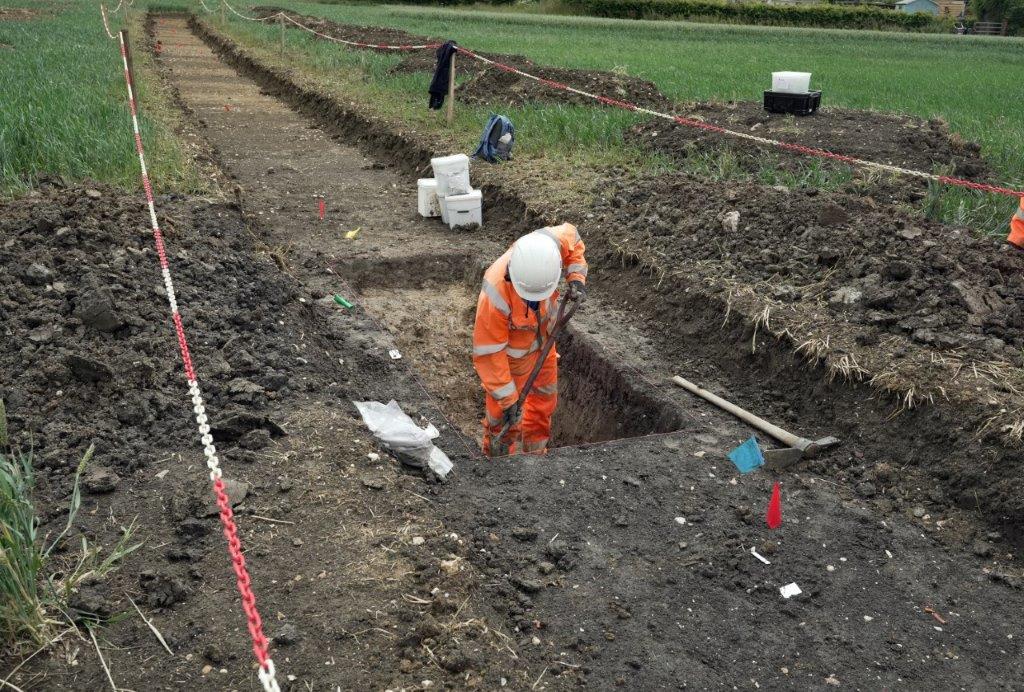
The trenching programme forms an essential part of the environmental assessment work needed to inform the Development Consent Order process, the mechanism through which permission to build the railway is secured. EWR Co and its delivery partners expect to complete around 6,000 archaeological trial trenches over roughly two years across the full East West Rail route.
Each trench is typically about 50 metres long, two metres wide and dug to a depth of around half a metre, giving specialists the chance to assess the significance and condition of any archaeological features. Where something of interest is found, archaeologists then excavate smaller, targeted sections known as slots to establish age, condition and significance.
Jorn Pace, Programme Manager at EWR Co, said it was an exciting time for the project. He said the trenching programme marked an important step in understanding the historic environment while continuing to progress the railway responsibly, and that the team was working closely with landowners and local communities to minimise disruption, keep people informed and restore land as closely as possible to its previous condition once works are complete.
He added that targeted investigations, informed by detailed surveys, allow the team to reduce unnecessary disturbance and take a careful, considered approach to both the environment and the communities around the route.

Surveys before the spade goes in
Before any excavation begins, EWR Co carries out geophysical surveys to identify areas of archaeological interest, alongside ecological and utility assessments. That groundwork helps shape delivery plans that keep disruption to farming activity, biodiversity and everyday land use to a minimum.
Mike Court, Historic Environment Lead at EWR Co, said understanding the archaeology beneath the surface was essential to designing and delivering the railway in a way that respects both the environment and shared heritage. He said the information gathered through the programme feeds directly into the Environmental Impact Assessment, helping the team understand the significance of any archaeology affected, plan appropriate mitigation and preserve knowledge for future generations.
Iron Age and Roman activity along the route
Investigations completed so far suggest that parts of the route contain evidence of activity dating back to the Iron Age and Roman periods, offering a glimpse of how communities lived and worked in the region thousands of years ago. Metal detectors are used in every excavated trench to help identify finds.
Joss Piper-Jarrett, Archaeology Survey Manager at EWR Co, said every discovery helps build a richer picture of the people who once lived in the area. She said that when excavating these features, archaeologists are often the first people to see them in 2,000 years, sometimes longer, which she described as a special feeling.
She said safeguarding and preserving the artefacts was a key part of the process. Once excavated, finds are cleaned, analysed, recorded and added to the archaeological archive, and where discoveries are considered particularly significant, there may be opportunities for them to go on display in local museums so communities can continue to connect with their local history.

Why it matters for Oxford
For readers here in Oxford, East West Rail represents one of the most significant new rail connections in a generation, promising direct links eastwards towards Bedford and Cambridge for the first time in decades. The archaeological work now under way, though centred further along the route, is laying the groundwork, quite literally, for a project that will shape how the city connects with the rest of the region for years to come.
…
Looking for free things to do in Oxford?
Check out this article: full of 20 great ideas. Click here!
…
Follow the Thames down to London!
Check out our sister magazine at www.thameslifemag.co.uk
…